




Recommendations
RECEPTION AND THANKSGIVING
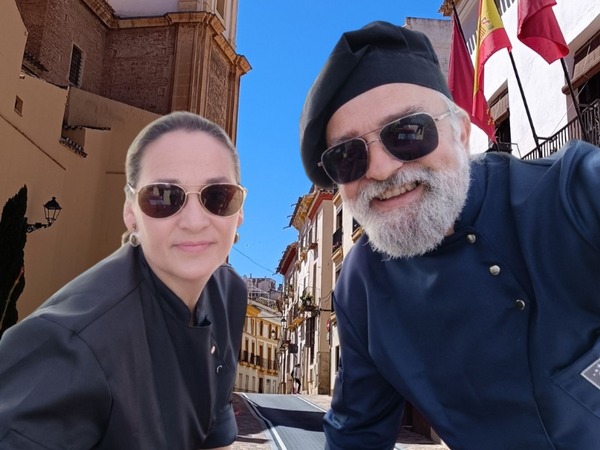
At Vinoteca El Parloteo we want to give you our warmest welcome and sincerely thank you for the trust you place in us every day. For us, you are not just customers: you are part of this house, its atmosphere, and every moment shared between drinks, conversations, and good flavors. We have created this space with care, thinking that each visit feels like entering a familiar, warm place full of little experiences to discover. We are passionate about wine, gastronomy, and, above all, the people who make it possible for this project to continue growing. Thank you for joining us, for recommending our work, and for being part of this small family that is El Parloteo. We hope that every time you cross our door, you feel at home.
A WALK THROUGH THE LORCA OF 1789
HISTORY OF THIS STREET
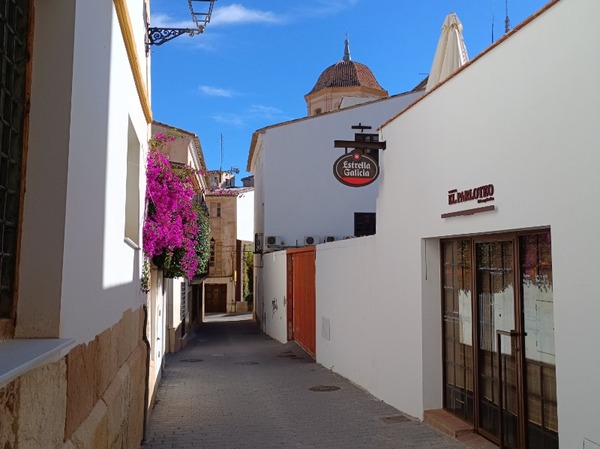
Cava Street, mentioned as far back as the 15th century, owes its name to the ancient moat that surrounded the third perimeter of the Lorca city wall. From early times, it was one of the busiest streets in the city, where the first artisans settled outside the walls. Known as the street of silversmiths, it was home to the most prestigious goldsmiths, while the neighboring Zapatería Street housed the master shoemakers.
Opposite the Convent of the Mercedarias stands a building that bridges the 18th and 19th centuries, with a wide facade, three floors, and six balconies, distinguished by the unique brackets of the eaves adorned with human heads and bouquets of leaves. Its construction falls within a period in which figures such as Don Juan de Borja stood out, an important Maltese merchant active during the first half of the 19th century. His career, linked to the Maltese community settled in Lorca since the late 18th century, reflects the intense commercial activity and family connections that contributed to the urban and economic development of the city. Research on Borja and his surroundings, based on notarial archives, Spanish and Maltese censuses, allows for a better understanding of the daily life of these merchants and the historical context in which homes like this one emerged.
The building, erected in a strategic location in the city, housed the first Police Station in 1910, playing an essential role in the organization and urban surveillance of the time. Subsequently, in 1936, during the turbulent years of the Civil War, it was adapted as a remand prison, becoming a direct witness to one of the most complex periods in our recent history.
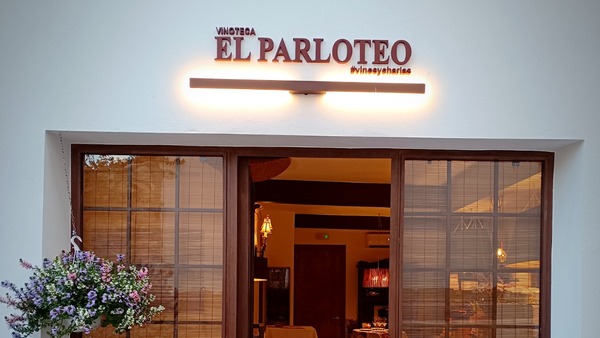
Today, located between Cava and Mata streets, this historic building is reborn transformed into a restaurant-wine bar that preserves and enhances original architectural elements, such as the old dungeons or a unique 18th-century cellar. Its rehabilitation allows visitors to enjoy gastronomy and wine while exploring a space full of memories, where the traces of the citizens and merchants who brought this place to life over the centuries still linger.
A unique enclave where culture, heritage, and culinary experience converge to offer a journey through the living history of our city.
Editing and text
Juan Francisco Miñarro (1971)
Opposite the Convent of the Mercedarias stands a building that bridges the 18th and 19th centuries, with a wide facade, three floors, and six balconies, distinguished by the unique brackets of the eaves adorned with human heads and bouquets of leaves. Its construction falls within a period in which figures such as Don Juan de Borja stood out, an important Maltese merchant active during the first half of the 19th century. His career, linked to the Maltese community settled in Lorca since the late 18th century, reflects the intense commercial activity and family connections that contributed to the urban and economic development of the city. Research on Borja and his surroundings, based on notarial archives, Spanish and Maltese censuses, allows for a better understanding of the daily life of these merchants and the historical context in which homes like this one emerged.
The building, erected in a strategic location in the city, housed the first Police Station in 1910, playing an essential role in the organization and urban surveillance of the time. Subsequently, in 1936, during the turbulent years of the Civil War, it was adapted as a remand prison, becoming a direct witness to one of the most complex periods in our recent history.
Today, located between Cava and Mata streets, this historic building is reborn transformed into a restaurant-wine bar that preserves and enhances original architectural elements, such as the old dungeons or a unique 18th-century cellar. Its rehabilitation allows visitors to enjoy gastronomy and wine while exploring a space full of memories, where the traces of the citizens and merchants who brought this place to life over the centuries still linger.
A unique enclave where culture, heritage, and culinary experience converge to offer a journey through the living history of our city.
Editing and text
Juan Francisco Miñarro (1971)
COUNTRY PÂTÉ BLOCK
Iberian pork liver pâté with cognac.
12,00€
Allergens
May contain traces of Eggs, Dairy products.
DUCK RILLETTE BLOCK
Creamy pate with shredded duck meat
12,00€
Allergens
May contain traces of Eggs, Dairy products.
AGOTADO
DUCK LIVER MOUSSE
made with 100% goose liver and meat
15,00€
Allergens
May contain traces of Eggs, Dairy products.
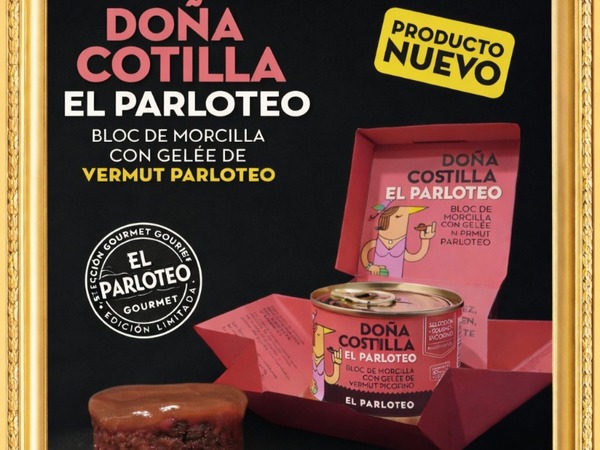
MRS. BUSYBODY
Black pudding block with vermouth jelly
15,00€
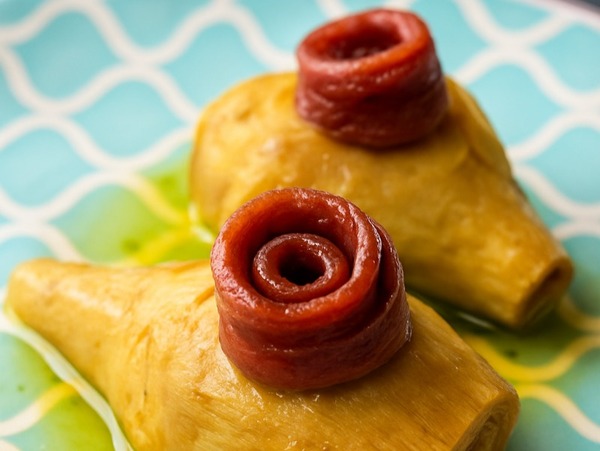
A SIMPLE ARTICHOKE WITH ANCHOVY. 2 units
Marinated Artichoke from Lorca with Cantabrian anchovy
7,00€
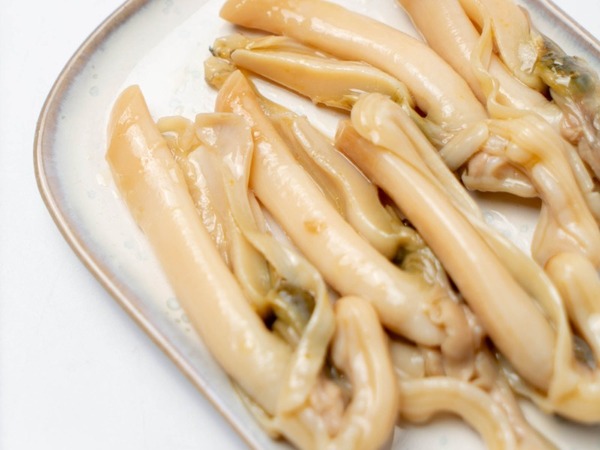
RAZOR CLAMS IN OLIVE OIL
Wild razor clam from the Cíes Islands in EVOO foam
24,00€
The best razor clams you will ever taste
Murciano
MINI MEAT PIE
3,50€
MURCIANICO
MINI SAUSAGE OR BLOOD SAUSAGE PASTRY
1,50€
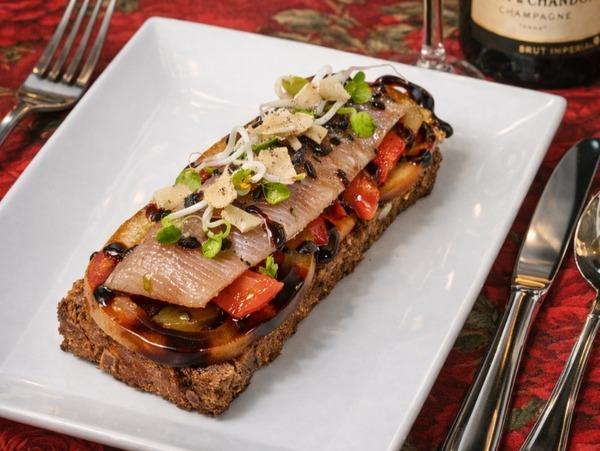
FALARDO
Rye toast with smoked Cantabrian sardine, Kumato tomato, EVOO and/or piquillo pepper
3,50€
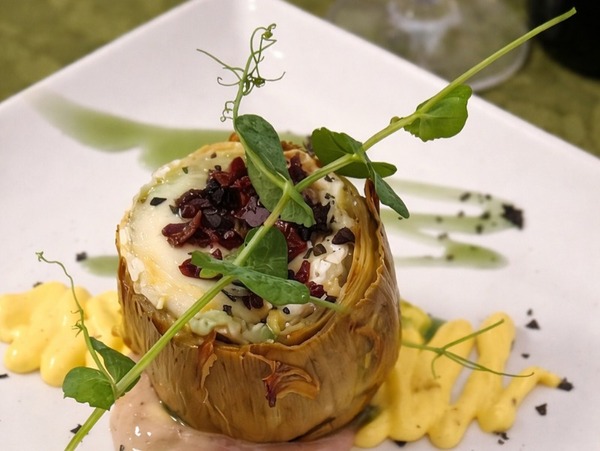
ARTICHOKE
Lorca artichoke heart with goat cheese roll and Angus beef jerky
7,50€
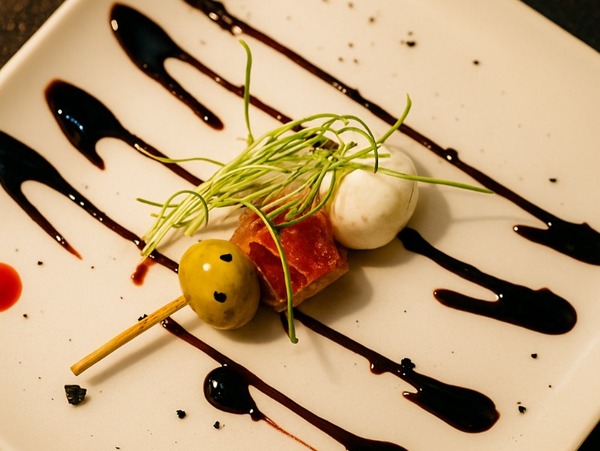
LEON GILDA
Lion gilda with olive, cecina quail egg
5,00€
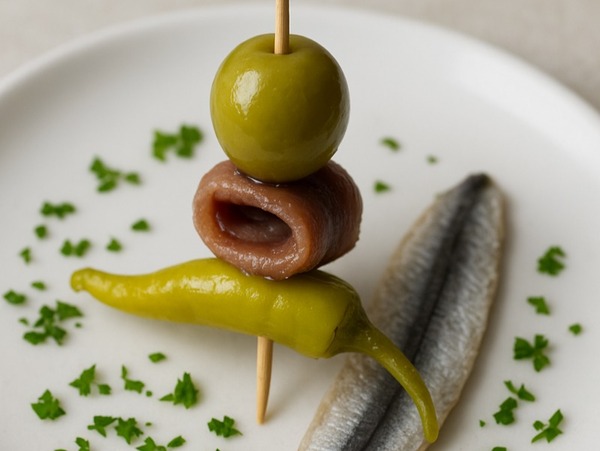
GILDA FROM NAVARRA + CANTABRIAN ANCHOVY FILLET
THE BEST GILDA IN SPAIN with Galician vermouth bubble
6,00€
Top quality
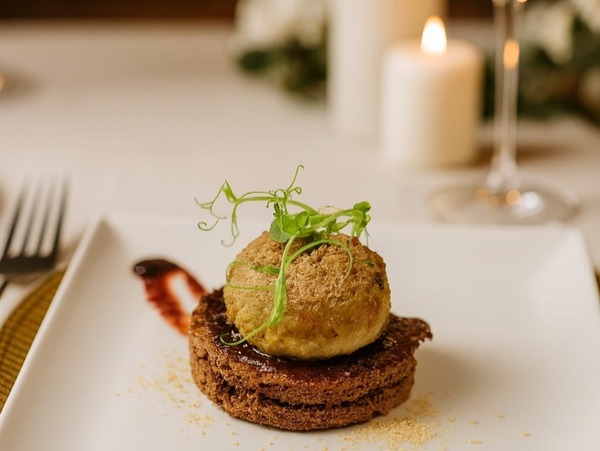
EUPHORIA
A fusion of artichoke and foie flavors with Pedro Ximénez reduction
7,50€
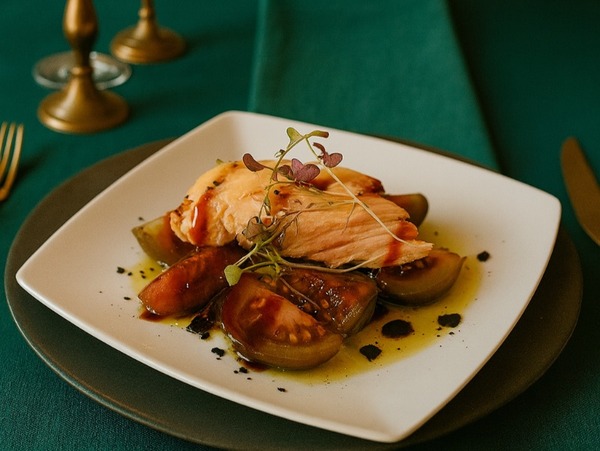
AMAZEMENT
NORTHERN BLUEFIN TUNA NECK
12,00€
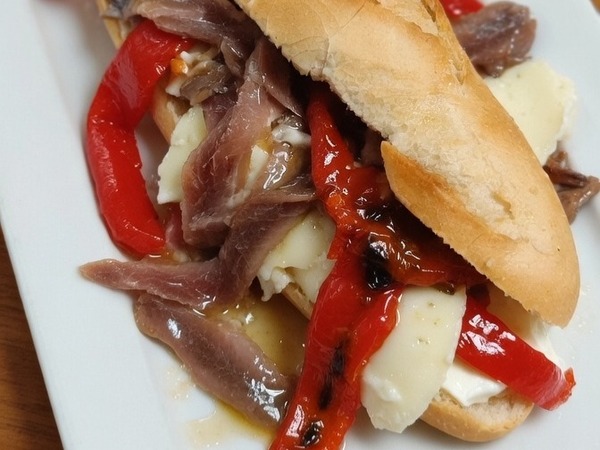
HAMELIN
Mini fresh cheese flute, peppers and Cantabrian anchovy
4,50€
HARMONY
Mini ciabatta with roasted pepper with northern bonito belly in EVOO
4,00€
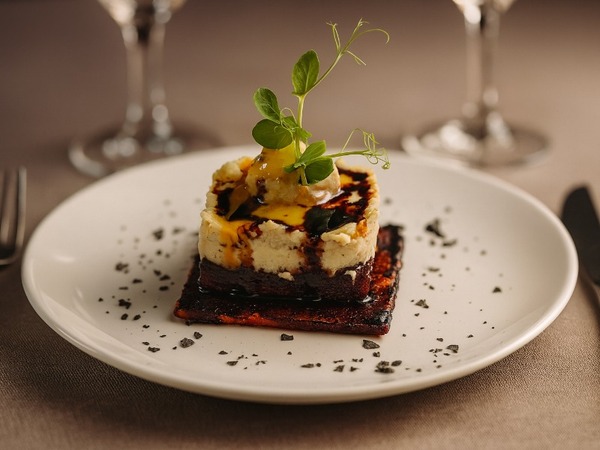
MARINERA CHATTER
black garlic aioli
4,50€
Beetroot crispy base with chia and black garlic alioli from Las Pedroñeras
Cantabrian Anchovies Premium Tin
Top quality anchovies manually selected accompanied by marinated red onion
18,00€
Served with marinated onion
Spicy
GILDA FROM NAVARRA + CANTABRIAN ANCHOVY FILLET
THE BEST GILDA IN SPAIN with Galician vermouth bubble
6,00€
Top quality
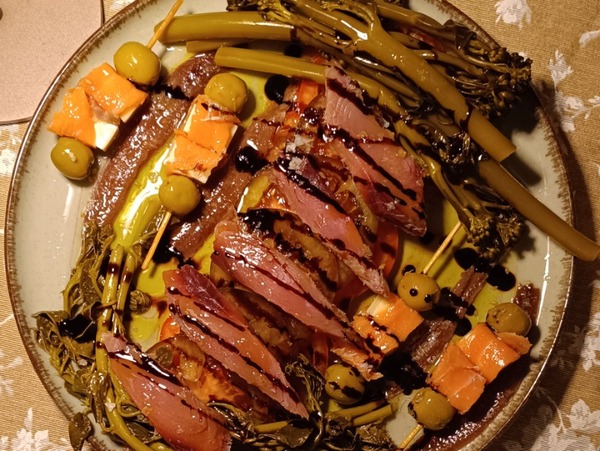
THE FAMOUS BUTTERFLY SALAD for 2 people
PREMIUM QUALITY. Kumato tomato and pink tomato, almadraba bonito, Cantabrian silver 00 butterfly anchovy, stems, Navarra gildas and black olives chef's dressing.
25,00€
Kumato tomato and pink tomato, Barbate almadraba bonito, Cantabrian silver anchovy 00, bimi stems, and the best Navarra gildas and black olives chef's dressing.
Iberian ham plate
100% Iberian BEHER SALAMANCA
25,00€
CURED IBERIAN PORK
100% Iberian Salamanca
25,00€
Dish
MUSSELS 6/8 RIAS BAIXAS CAN
Premium quality XL pickled dish
18,00€
PICKLED
AGOTADO
XXL Steam Clam
250g
17,00€
TUNA AND BLACK TOMATO SALAD
Completely clean
16,00€
EVOO
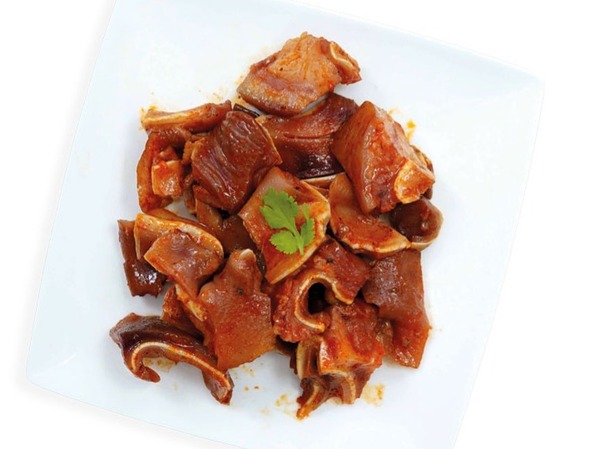
FRIED MARINATED PIG'S EAR
Ration
7,50€
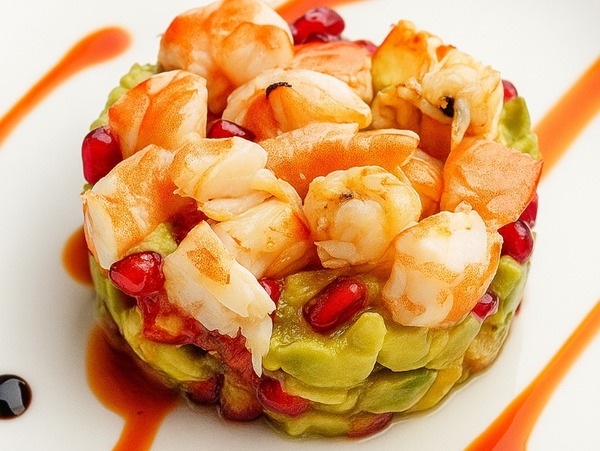
LIME SHRIMP TARTARE
12,00€
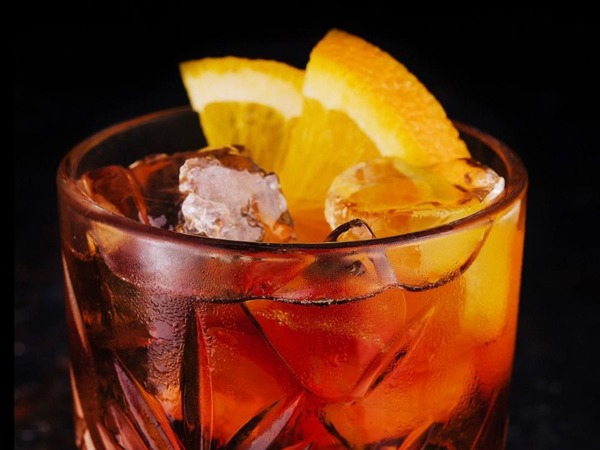
TODAY COLD GALICIAN VERMOUTH
DIRECT FROM GALICIA HANDCRAFTED
4,50€
Traditional and special orange gin
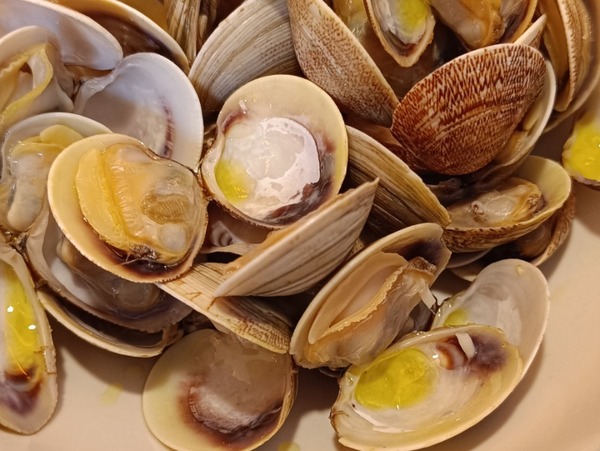
ITALIAN XXL CHIRLA CLAM
Steamed portion
17,00€
BUTTERFLY ANCHOVIES each
Chickpea flour XL battered
1,50€
UNIT.
CREAMY ANGUS GOAT MEDALLION
7,50€
WELL SPOKEN
Three cultures / spicy Mallorcan, acorn-fed Andalusian, and creamy Castilian
5,50€
Allergens
May contain traces of Gluten, Dairy products.
1THE CONFESSION
Extra toast with smoked Cantabrian sardine
7,50€
Marinated artichoke from Lorca, Cantabrian sardine, black tomato with hints of black truffle.
Allergens
May contain traces of Gluten, Fish, Celery, Mustard.
Homemade
Spicy
Majorcan
Spicy Mallorcan sobrasada, aged Idiazabal cheese, Cantabrian anchovy + chef's sauce
6,50€
Spicy Mallorcan sobrasada, aged Idiazabal cheese, Cantabrian anchovy + chef's sauce
7RAMBLING
Premium quality avocado from Malaga, tomato, northern bonito belly and chef's touches with sprouts
6,50€
Malaga avocado, tomato, northern bonito belly and chef's touches with sprouts
Allergens
14 GOLD MEDAL CURED CHEESES
Accompanied by quince and Marcona almond
16,00€
Selection of local and national cheeses all awarded worldwide.
Allergens
May contain traces of Gluten, Peanuts, Dairy products.
3 CHEESES HALF PORTION
GOLD MEDAL
9,50€
Iberian cured meats from Salamanca
Bacon, loin, salami and acorn-fed chorizo
18,00€
IBERIAN CURED MEATS HALF PORTION
9,50€
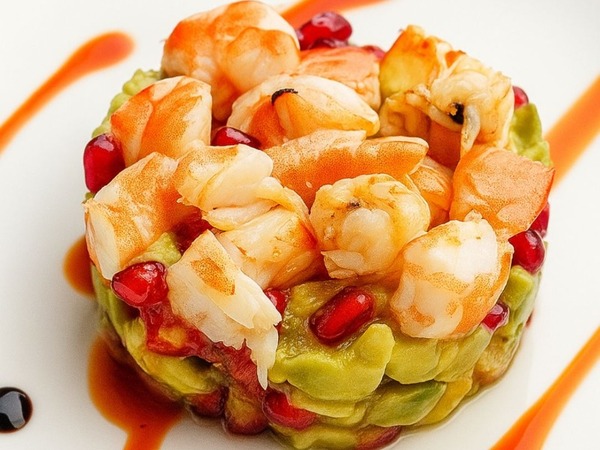
LIME SHRIMP TARTARE
With touches of organic pomegranate
12,00€
Pablo Romero prawn
OCTOPUS AND PRAWN MELANGE
Traditional recipe dish to share
15,00€
Octopus and prawn stew with fisherman's pot